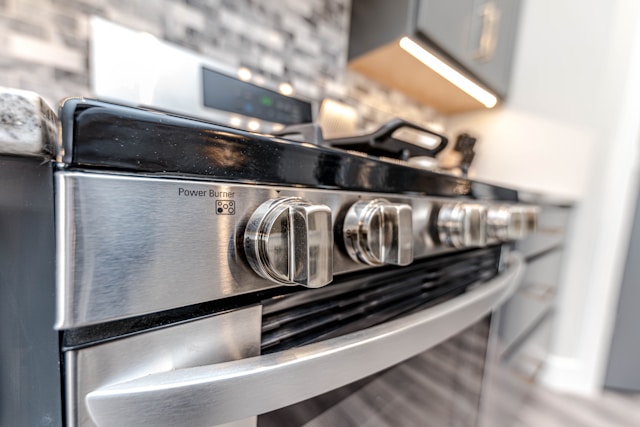

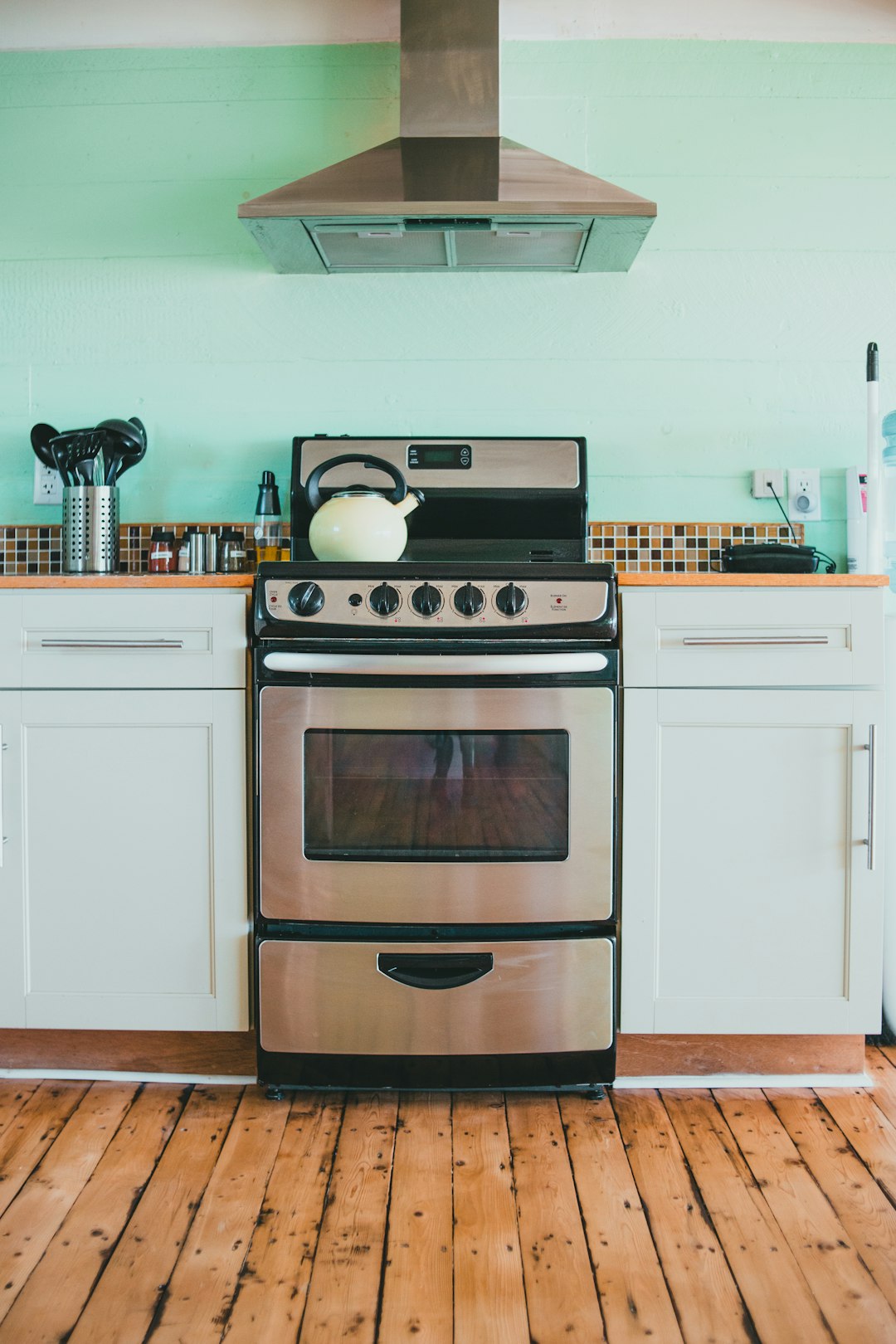
Not every appliance problem causes an immediate breakdown.
An oven may continue cooking even when something is beginning to fail. A range may still work despite unusual noises, inconsistent temperatures, or an ignition problem.
Ignoring these warning signs can turn a relatively small repair into a more expensive one.
Here are five oven and range problems that deserve attention.
1. You Smell Gas Around the Range
A persistent gas smell should always be taken seriously.
A brief odor may sometimes occur during ignition, but gas should not continue to be noticeable once the burner is operating normally.
If you smell strong or persistent gas, turn off the appliance and avoid using flames or electrical switches nearby.
Depending on the severity of the situation, you may need to shut off the gas supply, leave the area, and contact the appropriate gas emergency service.
Do not continue using the range until the source of the leak has been identified.
2. The Oven Temperature Has Become Unpredictable
Does one batch of food come out perfect while the next burns using exactly the same settings?
Large or inconsistent temperature changes can indicate problems with a sensor, thermostat, heating element, igniter, control board, or airflow system.
Minor temperature differences are normal in any oven because heating elements cycle on and off.
Large variations are not.
Persistent temperature problems are especially important for baking, where accurate heat is essential.
3. A Burner Flame Looks Yellow or Uneven
Gas burner flames should generally be stable and properly distributed around the burner.
If the flame suddenly becomes irregular, excessively large, weak, or noticeably different from its normal appearance, the burner may be dirty or there may be a gas-air mixture problem.
Food debris can often be removed through routine cleaning.
If cleaning does not restore normal operation, the burner system should be inspected.
Do not attempt to modify gas pressure or internal regulator settings yourself.
4. The Appliance Is Making New or Unusual Noises
Ovens and ranges are not completely silent.
You may hear relays clicking, fans running, or metal expanding as the appliance heats.
However, new grinding, rattling, buzzing, scraping, or unusually loud fan noises should not be ignored.
For example, a convection fan motor may begin making noise before it fails completely.
Loose components can also vibrate during operation.
Early inspection can sometimes prevent secondary damage.
5. The Oven Door Does Not Close Properly
An oven door that does not seal correctly allows heat to escape.
You may notice longer preheating times, uneven cooking, excessive heat around the control panel, or increased energy usage.
Possible causes include:
- Damaged hinges
- A worn door gasket
- Misaligned door components
- Broken hinge springs
- Physical damage to the door
A door that does not close securely can also interfere with the oven’s safety and temperature control systems.
Small Problems Often Give Warning Signs
Appliances rarely fail without any indication at all.
You may notice that the oven takes a few extra minutes to preheat, a burner needs a second attempt to ignite, or the convection fan sounds slightly different.
These changes do not always mean an expensive repair is coming, but they are worth paying attention to.
Addressing a developing problem early can often reduce the likelihood of a complete appliance failure.
Should You Keep Using the Appliance?
That depends on the symptom.
Minor temperature inconsistencies may allow limited use until the appliance is inspected.
Gas odors, sparking, smoke, burning smells, electrical arcing, or abnormal flames are different. In those situations, continued operation can create a safety risk.
When there is any doubt about gas or electrical safety, stop using the appliance until it has been checked.
Professional Oven & Range Diagnosis
Ovens and ranges combine high temperatures, electrical circuits, and—in gas models—combustible fuel.
Accurate diagnosis is important because several failures can produce very similar symptoms.
Our appliance repair technicians can inspect heating systems, burners, igniters, sensors, fans, door components, wiring, and electronic controls to determine what is actually causing the problem.
If your oven or range is no longer operating the way it should, contact us to schedule professional repair service.