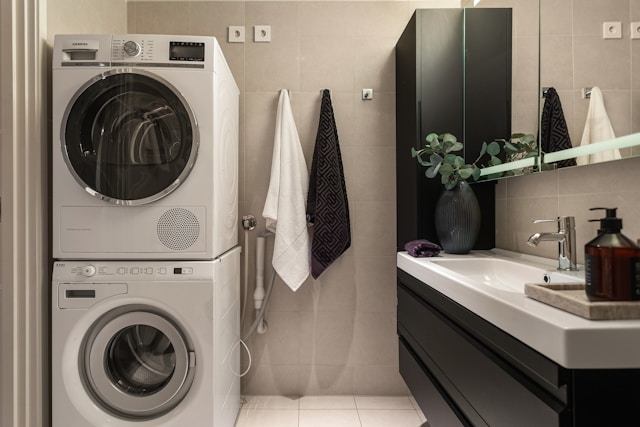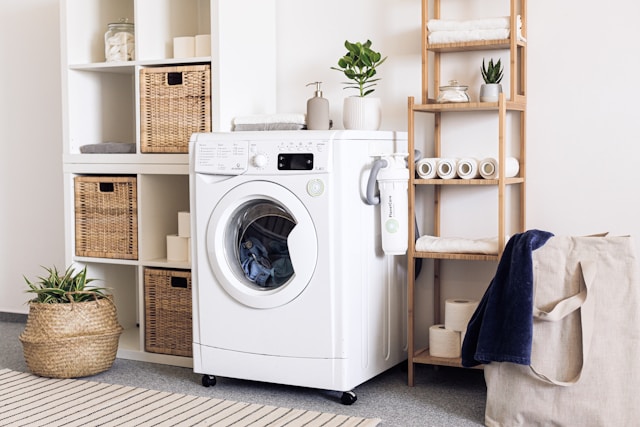

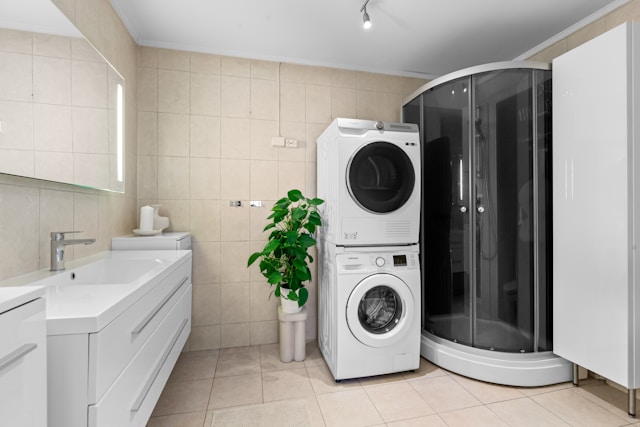
A normal load of laundry should not require two or three complete dryer cycles.
When drying time gradually becomes longer, many homeowners assume the dryer is simply getting old.
Often, that is not the real problem.
Long drying times are frequently caused by restricted airflow, maintenance issues, or one failing component.
And in some cases, the problem can also increase energy consumption and place unnecessary stress on the dryer.
1. The Lint Filter Is Restricting Airflow
The lint filter should be checked before or after every load.
Even a partially clogged filter can reduce airflow through the dryer.
Less airflow means moisture remains trapped inside the drum longer, so clothes take more time to dry.
There is another issue that is easy to miss.
Fabric softeners and dryer sheets can sometimes leave a thin residue on the lint screen.
The filter may look clean while airflow is still restricted.
If necessary, wash the screen with warm water and mild soap, then allow it to dry completely before reinstalling it.
2. The Dryer Vent May Be Clogged
The exhaust vent carries warm, moist air from the dryer to the outside of the home.
Lint can gradually build up inside the vent duct.
As the passage becomes narrower, the dryer has more difficulty removing moisture.
Typical signs of a restricted vent include:
- Clothes remain damp after a normal cycle
- The dryer feels unusually hot
- The laundry room becomes warm or humid
- Drying time keeps increasing
- The exterior vent has weak airflow
- A burning or overheated smell appears
A severely restricted dryer vent should be addressed promptly.
3. The Vent Hose Is Too Long or Damaged
Airflow problems are not always caused by lint.
The flexible duct behind the dryer can become crushed when the appliance is pushed too close to the wall.
Sharp bends and excessive vent length can also reduce airflow.
Check the visible duct behind the appliance.
It should not be flattened, kinked, or disconnected.
Proper dryer installation is important for both performance and safety.
4. The Dryer Is Being Overloaded
Large loads may seem more efficient, but overloading can actually increase drying time.
Clothes need room to tumble freely so heated air can circulate around them.
When the drum is packed too tightly, moisture becomes trapped between fabrics.
Heavy items such as towels and bedding can make the problem worse.
Try reducing the size of the load and see whether drying performance improves.
5. The Washer May Be Leaving Clothes Too Wet
Sometimes the dryer is not the real problem.
If the washing machine is not spinning properly, clothes may enter the dryer containing much more water than normal.
The dryer then needs significantly more time to remove that moisture.
Before blaming the dryer, check how wet the laundry feels when the washing cycle finishes.
If clothing is dripping wet or unusually heavy, the washer may have a spin or drainage issue.
6. The Heating System May Be Weak
A dryer can still produce heat even when part of the heating system is failing.
For example, an electric heating element may be partially damaged, or a gas dryer may have an ignition system that shuts the burner off too soon.
Thermostats and temperature sensors can also affect how long the heating system stays active.
If airflow is good but the dryer never seems to get warm enough, the heating system should be tested.
Try This Simple Comparison
Dry a small normal load after cleaning the lint filter.
If the dryer still takes unusually long, check the exhaust airflow outside while the machine is running.
Weak airflow at the exterior vent may point to a restriction somewhere in the duct.
If airflow appears normal but clothes remain damp, the dryer itself may need diagnosis.
Why Long Drying Times Should Not Be Ignored
A dryer that runs twice as long uses more energy and places more operating hours on the motor, rollers, bearings, heating system, and other components.
Restricted airflow can also cause excessive internal temperatures.
What begins as a simple performance issue can eventually lead to additional repairs.
Restore Normal Dryer Performance
Long drying times are often caused by something that can be corrected without replacing the appliance.
Our technicians can inspect dryer airflow, heating systems, thermostats, sensors, internal components, and vent-related problems to determine why your clothes are taking too long to dry.
Contact us to schedule professional dryer repair service.