
Finding water around your washing machine is never something to ignore. Even a small leak can damage flooring, cabinets, walls, and nearby electrical components if the problem continues.
Washing machine leaks can come from several different locations, and identifying the source is the first step toward fixing the problem.
Here are some of the most common reasons a washer may begin leaking water.
1. A Damaged Door Seal
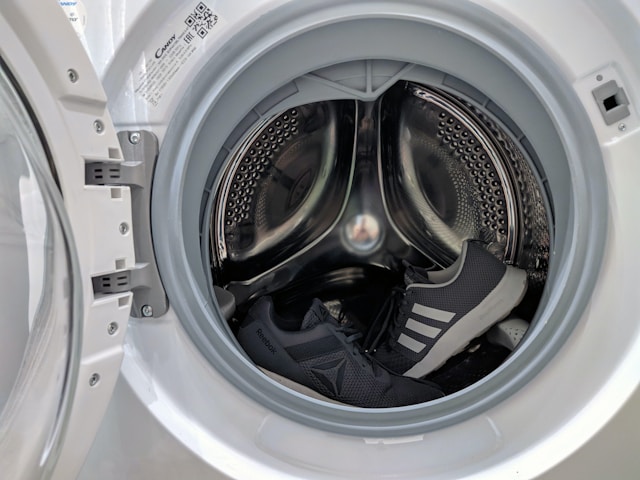
Front-loading washing machines use a large rubber gasket around the door to prevent water from escaping during the wash cycle.
Over time, the gasket can become cracked, torn, loose, or covered with debris.
Small objects such as coins, hair clips, buttons, or pieces of fabric can also become trapped inside the seal and prevent the door from closing tightly.
If water appears near the front of the washer, inspect the door gasket carefully.
Minor debris can usually be removed, but a damaged seal may need to be replaced.
2. Loose or Damaged Water Supply Hoses
The water supply hoses connect your washing machine to the home’s hot and cold water lines.
These hoses can loosen, crack, or deteriorate with age.
If the leak appears behind the washing machine, inspect the hose connections and look for moisture around the fittings.
Damaged supply hoses should be replaced as soon as possible because a complete hose failure can release a significant amount of water.
3. A Blocked or Damaged Drain Hose
The drain hose carries used water from the washing machine into the household drainage system.
If the hose becomes cracked, disconnected, or blocked, water may leak during the drain or spin cycle.
A drain hose that is inserted too deeply into the household drain pipe can also cause drainage problems.
Inspect the visible portion of the hose for damage, bends, or loose connections.
4. The Drain Pump Is Leaking
The drain pump removes water from the washing machine after the wash and rinse cycles.
Pump seals and internal components can wear out over time, allowing water to leak from underneath the appliance.
A leaking drain pump may produce water near the bottom of the washer, especially during the drain cycle.
Replacing the pump usually requires disassembling part of the machine and should be performed by a qualified technician.
5. Too Much Detergent Is Being Used
Using too much laundry detergent can create excessive foam inside the washing machine.
This is particularly common with high-efficiency washers that are designed to use low-sudsing HE detergent.
Excessive suds can interfere with normal water movement and may cause foam or water to escape from the washer.
Always use the detergent type and amount recommended by the manufacturer.
6. The Detergent Dispenser Is Clogged
Detergent, fabric softener, and mineral deposits can accumulate inside the detergent dispenser.
If water cannot flow through the dispenser correctly, it may overflow during the wash cycle.
Remove and clean the dispenser regularly according to the manufacturer’s instructions.
If leaking continues after cleaning, the dispenser assembly or internal hoses may need inspection.
7. The Washer Is Overloaded
Overloading the washing machine can cause several problems, including poor washing performance, excessive vibration, and leaks.
When too many clothes are packed into the drum, water may splash into areas of the machine that are not designed to handle it.
Large loads can also place additional stress on seals, suspension components, and the drum.
Follow the manufacturer’s recommended load capacity.
8. Internal Hoses or Connections Are Damaged
A washing machine contains several internal hoses that move water between the inlet valve, detergent dispenser, drum, pump, and drainage system.
These hoses can become loose, cracked, or damaged over time.
Because they are located inside the washer cabinet, identifying an internal leak usually requires partial disassembly of the appliance.
What Should You Do If Your Washing Machine Is Leaking?
If you notice a significant leak, stop the washing machine and turn off the water supply.
Disconnect the appliance from power if it can be done safely.
Check visible hoses, connections, the detergent dispenser, and the door seal for obvious problems.
If the source of the leak is not immediately visible, avoid continuing to use the washer until it has been inspected.
Water leaking inside the machine can damage electrical components and create additional repair costs.
Schedule Professional Washer Repair
A leaking washing machine should be diagnosed as soon as possible.
Our technicians repair common washer leaks caused by damaged hoses, worn door seals, faulty pumps, internal connections, and other mechanical problems.
Contact us today to schedule professional washing machine repair and protect your home from further water damage.