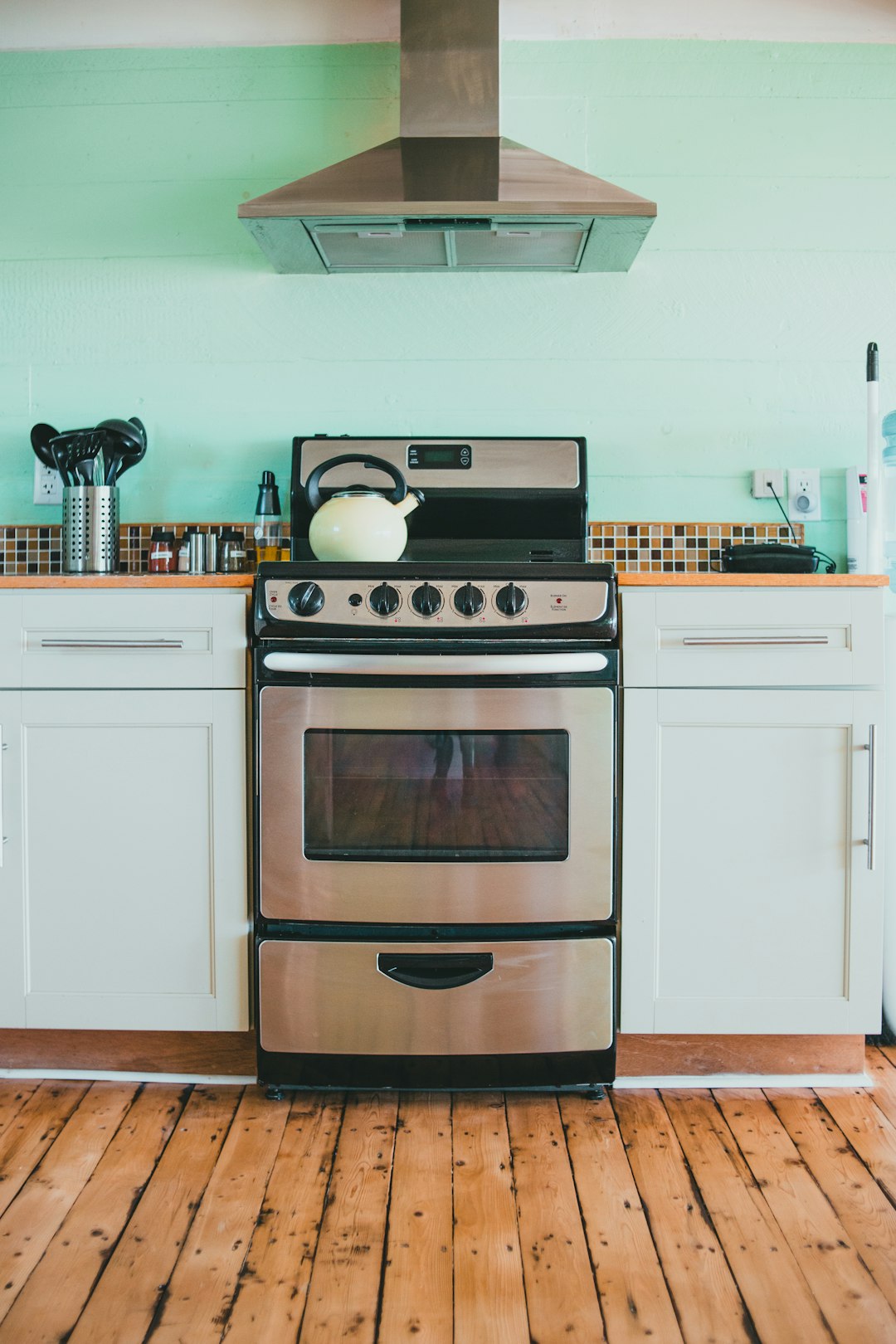

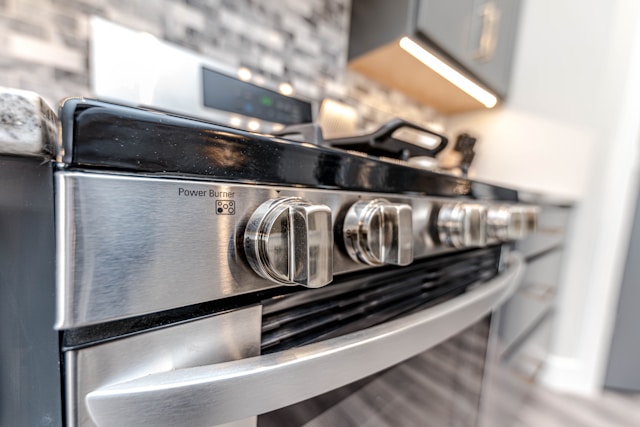
An oven that does not heat correctly can turn even a simple dinner into a frustrating experience. Sometimes the oven stays completely cold. In other cases, it heats slowly, never reaches the selected temperature, or cooks food unevenly.
The exact cause depends on whether you have a gas or electric oven, but several problems are especially common.
The Heating Element May Have Failed
In electric ovens, the bake and broil elements generate most of the heat.
A damaged element may stop heating completely or work only intermittently. In some cases, you can actually see visible damage such as blistering, cracking, or burned areas on the element.
If the oven heats from the top but not the bottom, or vice versa, one of the heating elements may have failed.
Because heating elements operate at high voltage, replacement should be performed carefully and only after the appliance has been disconnected from power.
The Temperature Sensor Could Be Giving Incorrect Readings
Modern ovens use a temperature sensor to monitor the heat inside the cavity.
If the sensor is inaccurate, the control board may believe the oven has already reached the selected temperature when it has not.
This can lead to:
- Food taking much longer to cook
- Inconsistent baking results
- Large temperature fluctuations
- Food burning on one side while remaining undercooked on another
A technician can test the resistance of the sensor and determine whether it is operating within the manufacturer’s specifications.
The Oven May Need Temperature Calibration
Not every temperature problem means that a component is broken.
Over time, some ovens may begin running slightly hotter or cooler than the temperature shown on the display.
If you consistently notice that recipes need significantly more or less cooking time than expected, calibration may be necessary.
Many electronic ovens allow small temperature adjustments through the control panel. However, large temperature differences usually indicate an underlying problem rather than a simple calibration issue.
A Gas Igniter May Be Weak
Gas ovens commonly use an igniter to light the burner.
A weak igniter can still glow but may not generate enough electrical current to open the gas safety valve.
This can create a confusing situation where the oven appears to be trying to start but never produces a proper flame.
You may also notice that the oven takes unusually long to ignite.
Igniter problems are among the most common reasons gas ovens stop heating properly.
Airflow Inside the Oven Can Affect Cooking
Proper airflow is important, particularly in convection ovens.
If the convection fan is not working, hot air may not circulate evenly around the food.
A failed fan motor, damaged fan blade, or obstruction can result in uneven cooking.
If one side of your food consistently cooks faster than the other, the fan system may need inspection.
The Door Seal Can Allow Heat to Escape
The gasket around the oven door helps keep hot air inside the cooking chamber.
A damaged, loose, or hardened gasket can allow heat to escape.
The oven may still reach temperature, but it may take much longer and cycle more frequently to maintain heat.
You can visually inspect the gasket for tears, gaps, or sections that no longer sit firmly against the oven frame.
The Electronic Control Board May Be the Problem
Modern ovens rely heavily on electronic controls.
The control board manages heating cycles, temperature information, cooking modes, and safety functions.
If the board develops a fault, the oven may fail to activate the heating element or igniter even when those components are still functional.
Control board failures can sometimes produce error codes, but not always.
Because several different components can create similar symptoms, proper testing is important before replacing an expensive control board.
Before Calling for Repair
There are a few simple things you can check first.
Make sure the oven is receiving power, confirm the correct cooking mode is selected, and verify that the door closes completely.
For gas appliances, check whether other gas appliances in the home are operating normally.
If the oven still does not heat correctly, professional diagnosis can help identify the problem without replacing unnecessary parts.
Professional Oven Repair
Temperature problems can be caused by heating elements, igniters, sensors, fans, wiring, thermostats, or electronic controls.
Our appliance repair technicians can diagnose oven heating problems and determine which component is preventing your appliance from operating correctly.
Contact us to schedule professional oven repair service and get your kitchen back to normal.